# Food Safety Basics Every Restaurant Should Consider When Packing Takeout Orders
Takeout food is now a normal part of the restaurant experience. Customers expect their meals to arrive fresh, clean, and safe to eat. Good packaging plays an important role in meeting these expectations. From hot meals to cold salads, every item needs the right type of container and careful handling.
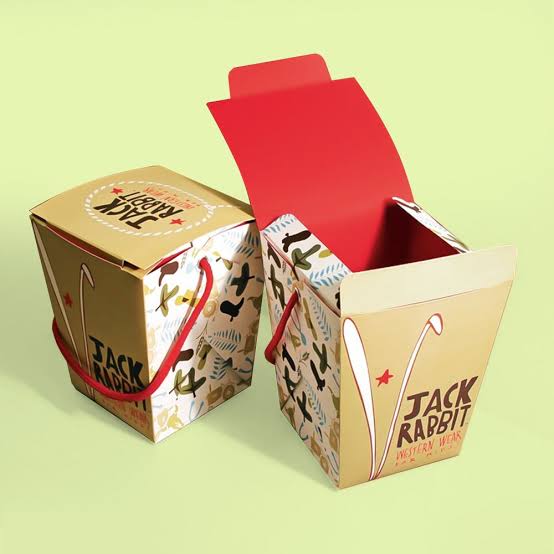
Restaurants also have many packaging choices today. For example, [custom printed Chinese takeout boxes](https://elixirpackaging.com/custom-chinese-takeout-boxes/) can be used to pack meals while also giving the restaurant a clear and professional look. But appearance should never come before food safety. Safe packing starts with simple steps that protect food from heat, spills, dirt, and harmful bacteria.
## 1. Choose Food-Safe Packaging
The first step is choosing packaging made for food use. Containers should be designed to hold the type of food being served. Some foods contain oil, sauces, or high levels of moisture. Others are very hot when packed.
Using the wrong material can cause leaks or damage. It may also affect the quality of the food. Restaurants should always check that their containers, wraps, lids, and other packaging are suitable for food contact.
The packaging should also be clean and stored properly before use.
## 2. Keep Hot and Cold Foods Separate
Different foods need different temperature conditions. Hot foods should stay hot, while cold foods should remain cold for as long as possible.
Restaurants should avoid placing hot food next to cold food when this could affect quality or safety. For example, a hot soup container should not be packed directly against a chilled dessert without proper separation.
Separate packaging can also help protect textures. Fried foods may become soft when packed with foods that release a lot of moisture.
## 3. Pack Food at the Right Time
Food should not sit uncovered for long periods before it is packed. Once an order is ready, it should be packed without unnecessary delay.
Employees should also avoid preparing packaging too far in advance if it can collect dust or become contaminated. Keeping the packing process organized helps reduce mistakes.
A clean packing station can make this process easier. Staff should have enough space to handle food and containers without creating clutter.
## 4. Prevent Cross-Contamination
Cross-contamination happens when harmful bacteria or other unwanted substances move from one surface or food to another. This can happen through hands, utensils, cutting boards, containers, or work surfaces.
Restaurant staff should wash their hands regularly and use clean equipment. Raw ingredients should also be kept away from ready-to-eat foods.
Packaging should never be placed on dirty surfaces. Employees should also avoid touching the inside of containers or the parts that will directly touch food.
These small habits can make a big difference.
## 5. Make Sure Containers Close Properly
A secure lid is important for both safety and customer satisfaction. A loose container can leak during storage, delivery, or transport.
Before an order leaves the restaurant, staff should check that every container is closed properly. Soups, sauces, and other liquids may need extra protection.
Restaurants can [also](https://doc.thudep.com/) use separate bags or seals when appropriate. This helps keep the order together and can provide an additional layer of protection during delivery.
## 6. Protect Food During Delivery
Food safety does not end when the order leaves the kitchen. Delivery conditions can also affect food quality.
Takeout bags should be strong enough to support the order. Containers should be placed carefully so they do not tip over. Heavy items should not crush lighter packages.
For longer deliveries, restaurants should also consider how food temperature will be maintained. Proper delivery bags and suitable packing methods can help reduce temperature changes.
A well-packed order is less likely to arrive damaged, spilled, or mixed together.
## 7. Keep Packaging Clean and Dry
Packaging should be stored in a clean and dry area. Boxes, bags, containers, and wraps should be protected from dust, moisture, pests, and other sources of contamination.
Restaurants should avoid storing packaging directly on the floor. It should also be kept away from cleaning chemicals and waste areas.
Staff should check packaging before using it. Damaged, dirty, wet, or poorly sealed items should not be used for food.
## 8. Think About Presentation Without Ignoring Safety
Good presentation can improve the customer's experience. A neat package makes the meal feel more organized and professional.
However, design should never interfere with safe food handling. Printed areas, labels, stickers, and other decorative elements should be used in a way that keeps food-contact areas clean and suitable for their purpose.
Clear labeling can also help customers. Restaurants may include the name of the food, special instructions, allergy information, or storage advice when needed.
Simple details can make an order easier and safer to handle.
## 9. Train Staff on Packing Procedures
Even the best packaging will not help much if employees do not know how to use it correctly.
Restaurants should give staff clear instructions for packing different types of food. Training can cover hand hygiene, container handling, temperature control, sealing, labeling, and delivery preparation.
A simple checklist can also help. Staff can check that the correct container was used, the lid is secure, the order is complete, and the package is clean before handing it to the customer.
Regular training is especially useful when new employees join the team.
## Conclusion
Safe takeout packaging is about more than choosing a good-looking container. Restaurants need to think about food temperature, cleanliness, cross-contamination, secure closures, storage, and delivery. These basic steps help protect food while creating a better experience for customers.
Packaging can also support a restaurant's overall image when it is clean, practical, and well presented. Whether a business uses simple containers or [custom boxes for packaging](https://elixirpackaging.com/), food safety should always remain the main priority.